

Selection
Customers
Service
Deals
Your browser does not support JavaScript, or it is disabled. You will not be able to properly use this site until you enable JavaScript
Think about wrapper, binder, and filler tobaccos like a car. The filler is the engine, the binder is the gearbox, and the wrapper is the bodywork. You can have all the horsepower in the world, but without the right drivetrain—or aerodynamics—you might as well be in a Prius.
Understanding cigar wrappers is like a cheat code that unlocks the fastest way to find flavor you’ll love.
The cigar wrapper is the outermost leaf that’s rolled tightly around the binder and filler tobaccos inside. It’s the first thing you see. And arguably, it contributes most of the flavor you experience on every draw.
Blenders choose wrapper leaves based on their flavor and ability to stretch. They must be strong enough to survive longer fermentation periods and have enough give to wrap around a cigar without tearing.
And they must do all of this while sporting snazzy looks. It’s a tough gig!
Put simply: if you want to understand how a cigar tastes before you light it, start with the wrapper.
The cigar market draws on a handful of wrapper-growing regions that each produce leaves with distinct flavor characteristics. Soil, climate, altitude, and curing methods affect these flavors futher. Here’s a breakdown of the most common wrapper types you’ll encounter.

Connecticut Shade is one of the most recognized wrapper varieties. It grows under shade cloth in the Connecticut River Valley (and often Ecuador), and produces light-colored leaves. They’re low in oils and naturally mild. Similar to the leaves’ lighter appearance, flavors are smooth and creamy. Connecticut Shade is the go-to wrapper for blenders who craft easygoing, approachable flavor profiles. Think cedar, cream, cashew, and light toast with a subtle natural sweetness.

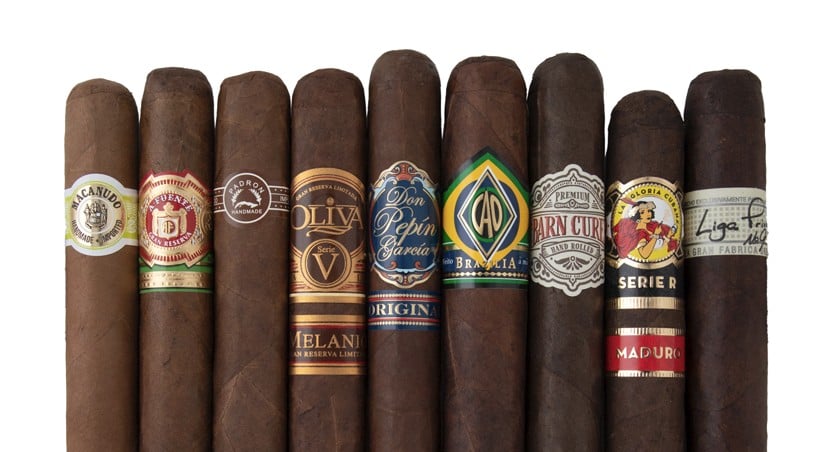
Habano wrappers grow from Cuban-seed tobacco and exhibit an oily surface, a brown or reddish hue. Expect notes of leather, spice, wood, and pepper with a natural complexity that changes throughout the smoke. Though it’s medium-to-full in body, Habano is one of the most versatile and widely used wrapper types in premium cigars. A classic example is Padrón’s Thousand Series Natural. You’ll find Nicaraguan Habanos in nearly every blend Padrón makes, thanks to their consistency.
Sumatra wrappers are known for their medium-brown color, slightly toothy texture, and full, earthy character. They tend to produce bold, spicy, and aromatic smoke with notes of earth, pepper, cedar, and a hint of tanginess. Often reddish-hued like the legendary Oliva Serie V Melanio, Sumatra wrappers are a go-to choice for smokers who want complexity in their smoke.
Cameroon wrapper tobacco is immediately recognizable by its distinct “toothiness.” This bumpy surface, resembling tiny goose bumps, is caused by raised cells filled with oil on the leaf—thanks in part to the sweltering conditions in which the leaves grow. Cameroon wrappers are associated with an earthy, woody, and floral flavor profile. They’re used on a number of classic premium cigar lines. Notably, Arturo Fuente. Cameroon tends to deliver medium-bodied, complex cigars that appeal to experienced smokers looking for something different.

Very important to note: Maduro isn’t a type of tobacco—it’s a process. Any leaf can become one if it’s resilient enough. Moreover, Maduro wrappers are dark-cured leaves that have undergone extended fermentation, which converts the leaf’s natural starches into sugars. The result is a darker, sometimes near-black wrapper that burns slowly and smoothly, with sweeter flavors. A prime example: La Gloria Cubana Serie R Maduro.
Corojo wrappers are common in medium- to full-bodied blends and add a naturally sweet, spicy kick to any cigar recipe. One of the most notable examples is Don Pepin Garcia “Blue” Original, a Nicaraguan powerhouse that put My Father on the map.
Fun fact: the original Corojo leaf from Cuba is no longer grown because it’s considered too susceptible to mold. However, authentic Corojo seeds are now exclusively grown by the Eiroa family in Honduras.
San Andrés wrappers are grown in the San Andrés region of Veracruz, Mexico. The leaves produced there are dark, oily, slightly textured, and sweet—perfect for Maduros. Additionally, San Andrés wrappers are known for flavors of dark cocoa, espresso, and leather, with a natural sweetness that lingers.
San Andrés wrappers are used by major brands, including Barn Cured Heritage Black and many others. When you see a dark, chocolatey cigar with a smooth finish, there’s a reasonable chance there’s a San Andrés leaf involved.
Brazilian Arapiraca leaf is dark, oily, and naturally sweet. It contributes flavors of brown sugar, leather, espresso, and cocoa with a particularly citrusy finish. Brazilian wrappers are often used in Maduro-style blends or as binders in premium lines that want to add depth without overpowering the filler tobaccos. One of the most famed examples of Brazilian wrappers is CAO Brazilia.

Don’t let the shared state name fool you—Connecticut Broadleaf is an entirely different animal than Connecticut Shade. Also grown in Pennsylvania, Broadleaf grows thick and dark with prominent veins. That’s a stark contrast to its silky-smooth cousin. Furthermore, Broadleaf produces earthy flavors of dark chocolate, espresso, and warm spices.
Broadleaf wrappers are typically subjected to an extended fermentation process that deepens sweetness and mellows spice (this is how it becomes a Maduro), resulting in some of the most satisfying, full-bodied smokes on the market. Drew Estate Liga Privada No. 9 famously uses a Connecticut Broadleaf to anchor one of the most talked-about cigar blends in the modern era.
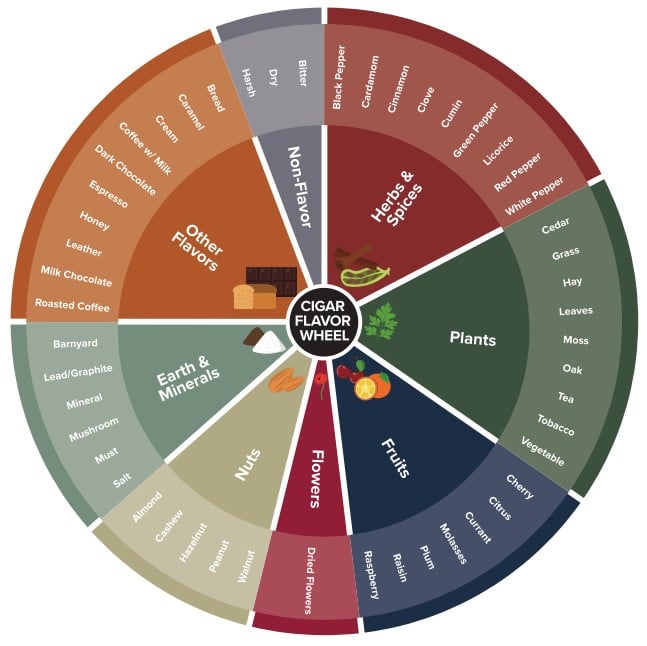
The wrapper leaf is in direct contact with your lips on every draw. Therefore, its oils and sugars get more of your palate’s attention. This is how a Connecticut Shade wrapper can take the edge off a stronger Nicaraguan blend. Or how a San Andrés Maduro can take that same blend and push it toward fuller flavors. The wrapper doesn’t override the filler; it shapes and colors it.
Body (often incorrectly cited interchangeably with strength) in a cigar refers to the richness of its smoke on your palate. Wrapper leaves contribute significantly to the body, and in general, darker leaves tend to be milder in strength, yet richer in smoke. This balance is why they’re often used on medium or fuller-bodied blends.
Strength refers to the nicotine content of a cigar and how hard it hits your senses. While most of the nicotine comes from the filler tobaccos, the wrapper contributes its share, too. Thicker, darker wrapper leaves tend to contain more, which is why full-bodied cigars with heavy Maduro or Oscuro wrappers can also be quite strong.

Now that you know what to look for, the best next step is simple: start smoking and start exploring. Best Cigar Prices carries an extensive selection of premium cigars across every wrapper type covered here. Drew Estate, Davidoff, Villiger, Romeo y Julieta, and much more are in stock, awaiting your discovery. Browse the full selection today and find your next favorite wrapper. Your taste buds will thank you.

Why isn’t my Torch Lighter working? If I had a dollar for every torch lighter I threw out think...
The coffee you love, no cup needed! One of the most popular Drew Estate infusions behind their ac...
A Cigar’s Strength Matters More Than You Think Whether you’re just getting into cigar...


