

Deals
Customers
Selection
Service
Your browser does not support JavaScript, or it is disabled. You will not be able to properly use this site until you enable JavaScript
If I had a dollar for every torch lighter I threw out thinking it was ‘broken’… One of the most common complaints we get in the call center these days is that lighters either “don’t work” or “don’t stay lit.” The issues almost always stem from user error. Air in the fuel tank, flame adjustment height (make sure it isn’t set too low), a clogged igniter…the list goes on. And while we’re not trying to play the blame game here—faulty lighters exist—there’s a learning curve here that’s above and beyond the Zippos and Bic lighters of old. As convenient and efficient as most modern cigar torches are, they also require a little bit of know-how to keep them running smoothly, particularly if you’re new to the cigar game. With this in mind, I drafted a list of pointers to make sure your cigar lighters stay in tip-top toasting condition.
When selecting a butane to use in your refillable torch lighter, you want to steer clear of stuff like Ronson. There’s nothing wrong with the brand, but it’s only designed for wick-style lighters like a Zippo and isn’t as refined. You never want to use anything less than a triple-filtered butane. Look for the words “triple-filtered” or “99.9% pure” on the bottle to make sure you’re getting the right stuff. Purer butane burns cleaner and prevents clogging of your lighter’s torch nozzle and fuel lines. The good news: every butane sold on BestCigarPrices.com meets these purity requirements, so you can shop with confidence!
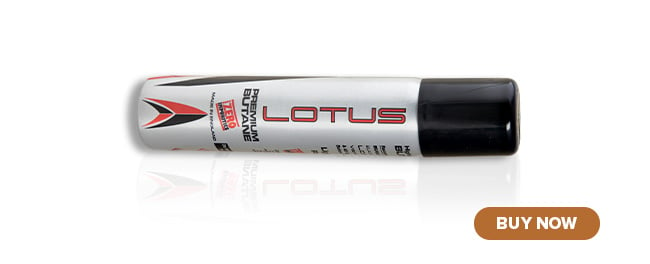
This 6-times-filtered Premium Butane from Lotus is more than adequate to use in virtually* any modern cigar torch lighter.
*S.T. Dupont lighters have a proprietary valve system that only works with their branded butane.
Before filling your lighter, it needs to be bled. Every time. Bleeding the lighter rids the fuel tank of excess air, maximizing its capacity and preventing air that can cause misfires and sputtering from entering your fuel lines. Fortunately, you can bleed a lighter in only two easy steps.
Here’s what you’ll need: your lighter, plus something long and skinny that can depress the fill valve (a pen, toothpick, cigar poker, or eyeglass screwdriver all work well).
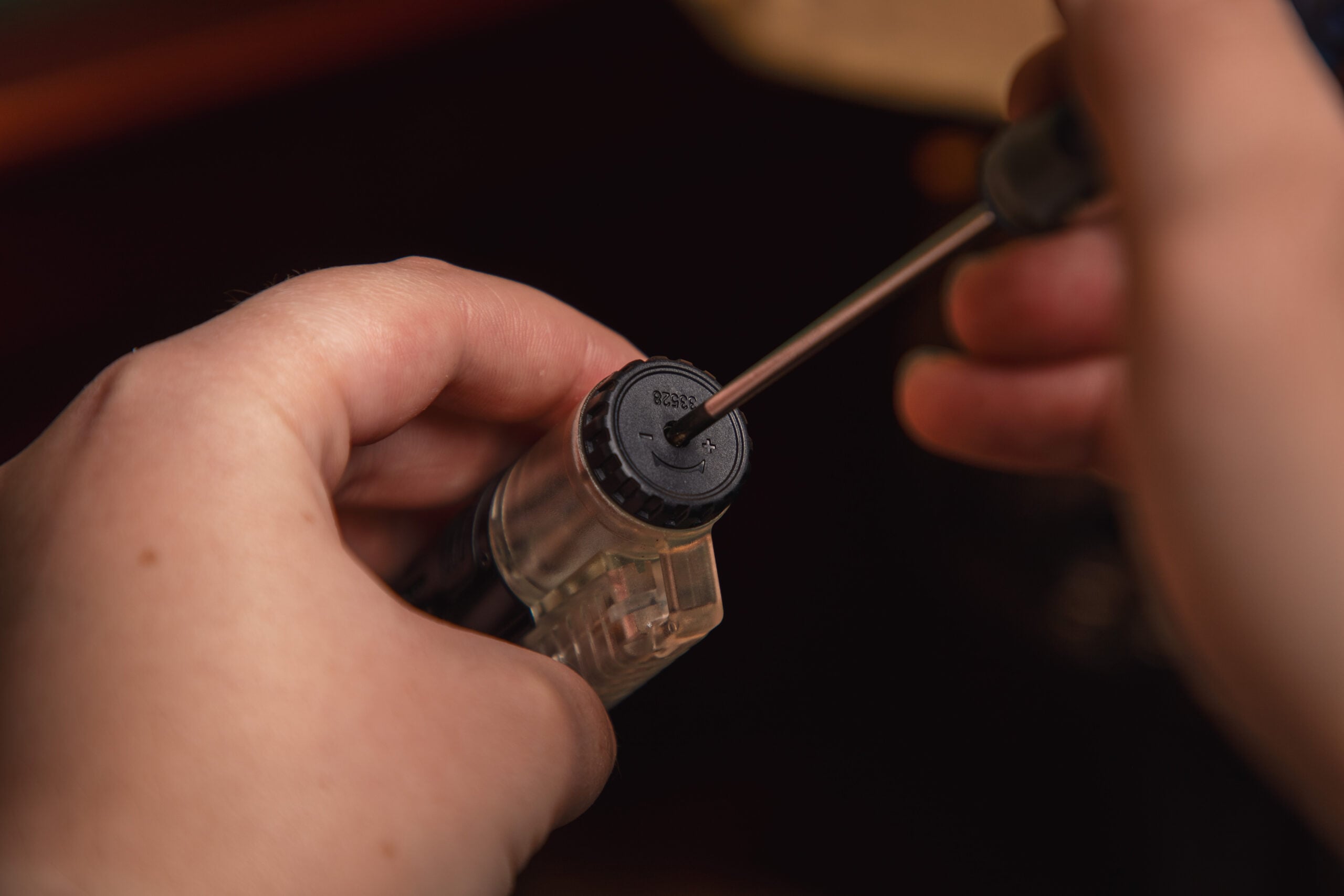
Step 1 – Turn your lighter upside down and look for the fill valve (see the photo below). Like a car’s tube stems, the valve works both ways. Depressing it will allow any remaining butane and air to escape. Turn the lighter back right-side up and repeat the process (let gravity assist this time).
Step 2 – Fill your lighter with a quick shot of butane. Just a tiny burst so that only a little bit goes in. Repeat the bleeding process again.
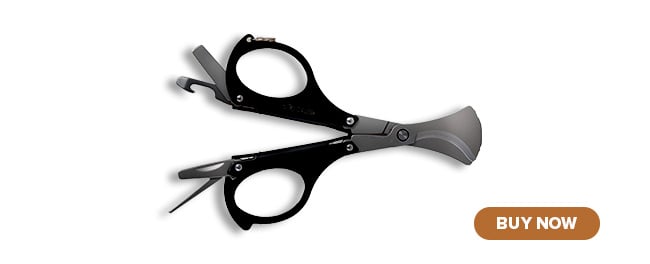
The Xikar MTX Multi-Tool comes with an onboard lighter bleeding tool, among many other accessories.
Now that you’ve bled your lighter, it’s time to fill it. The hardest part of filling a torch lighter is getting a good seal. Here’s what you want to do:
Turn your lighter upside down. Take the can of butane in your other hand and firmly press its nozzle straight down on the fill valve. You want to apply a bit of pressure here—a bad seal will just spray butane everywhere and waste it.
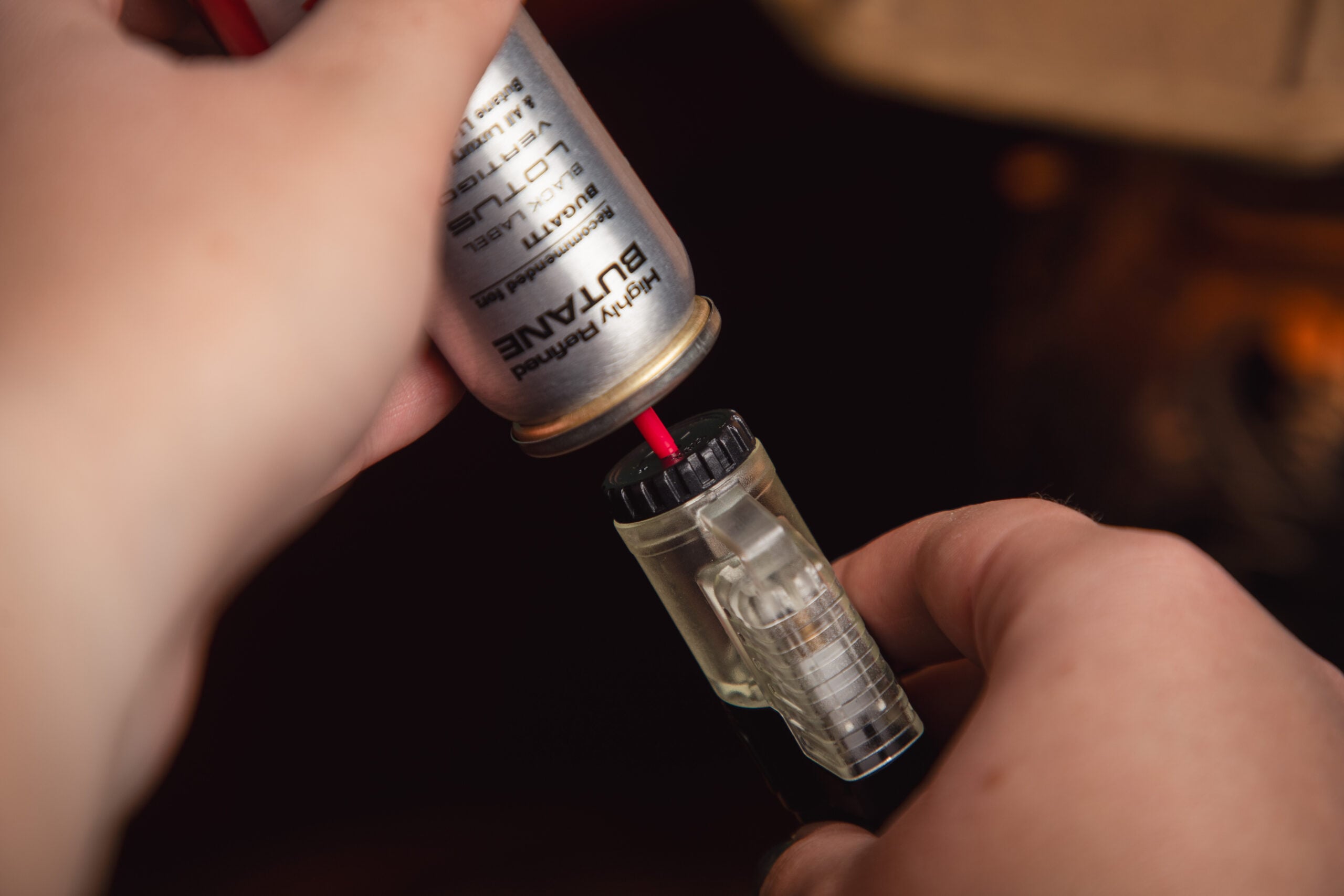
If your lighter has a fuel window or transparent tank (like this Palió), keep pressing down until you see the tank filled. If not, you’ll know it’s full when you hear it stop filling or see butane spraying from the nozzle.
Note: Butane is very cold when it enters your lighter; let your torch sit for a few seconds to warm up before trying to light it.
If your lighter was clogged by unrefined butane, there may not be much you can do but pick up a new one. Other clogs, however, still pop up due to dust and debris invading the torch’s jet exhausts. One of the biggest offenders: pocket lint. If your lighter has a lid, this will prevent most of these issues. If not, here’s how to clean a clogged torch lighter:
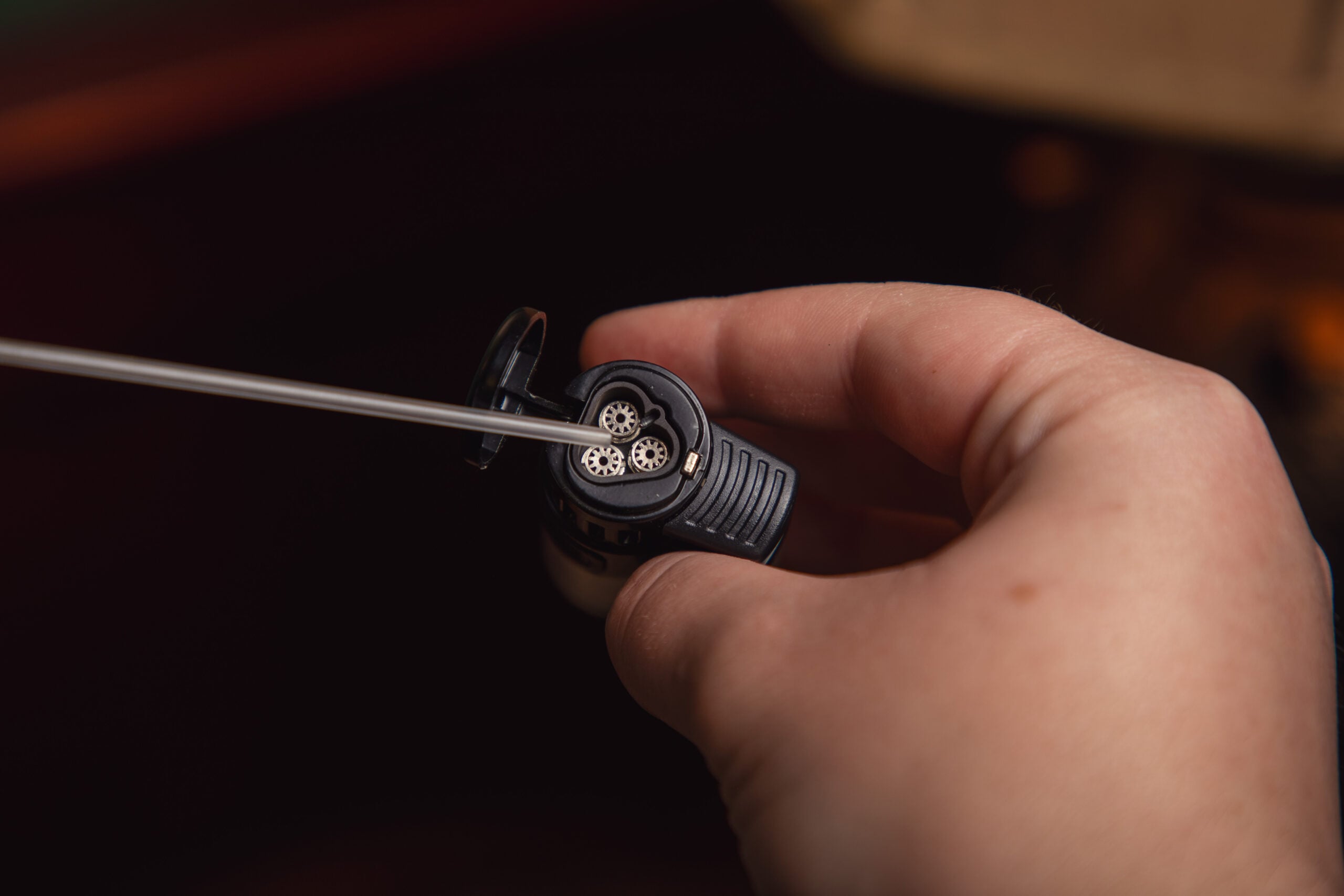
Blow on it. Yeah, seriously. That’s usually all it takes. For more stubborn clogs, a bit of canned air that you’d use to clean a keyboard works great.
Lighters should last as long as the components work. Typically, 5-10 years. Regular maintenance to clear clogs, bleed, and using properly refined butane should drastically extend the lighter’s lifespan. Most modern cigar torch lighters use a piezo ignition system that generates a spark from a quartz crystal. These igniters are incredibly robust and will likely outlive moving parts that fail first.
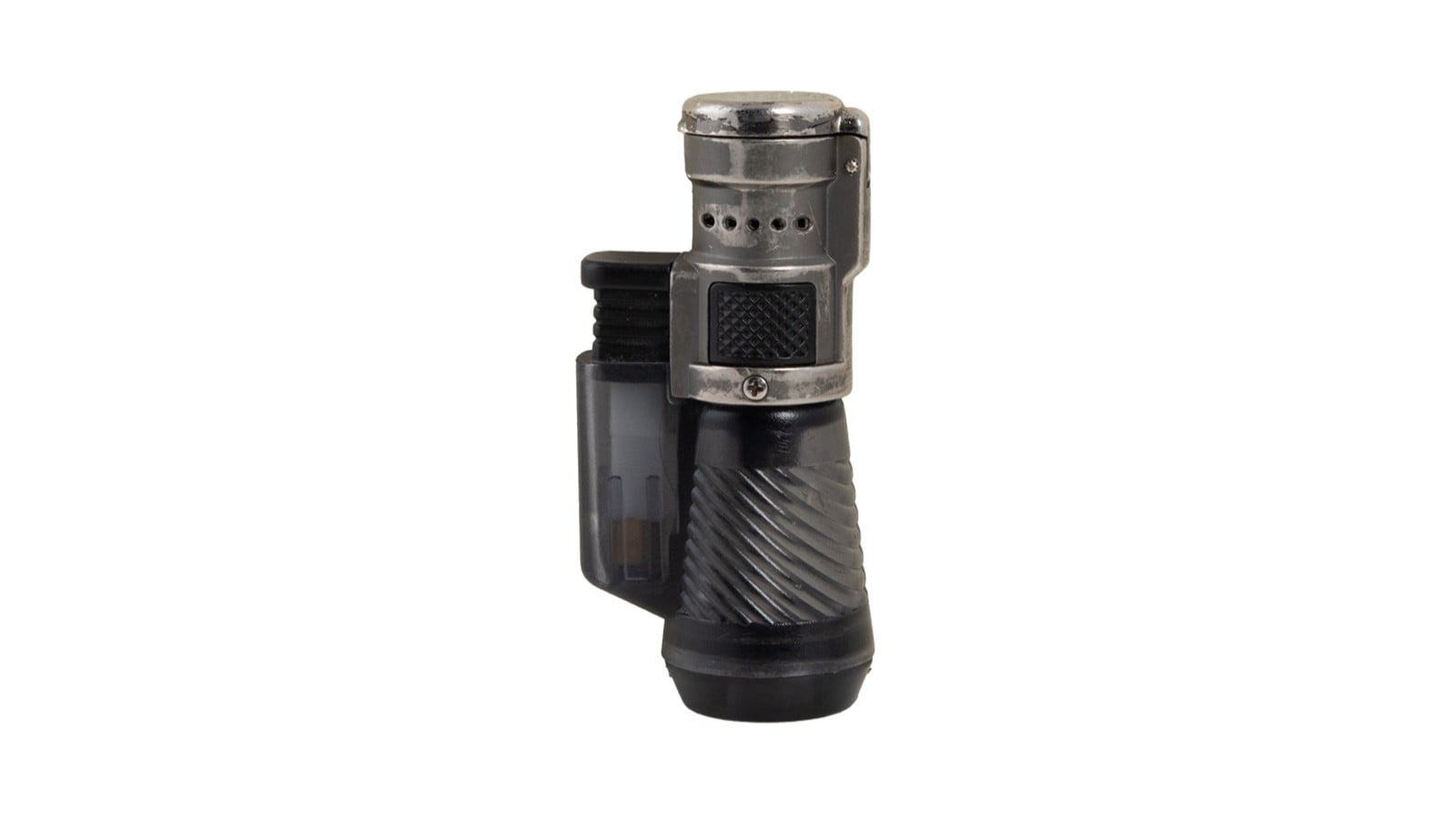
Simply put, you should replace a lighter when simple fixes like bleeding and unclogging don’t fix the issue. In most cases, replacing the components will cost more time and hassle than just getting a new one. As of 2026, warranty service for some common lighter brands is as follows:
Colibri – Two-year Limited Warranty
Lotus/Vertigo – Limited Lifetime Warranty
Palió – Lifetime Warranty w/ $7 processing fee
S.T. Dupont – Two-year Limited Warranty
Xikar – Limited Lifetime Warranty
We hope this guide gets any cigar torch lighter you have working again. Browse more helpful articles in our Best Cigar Blog and find everything you see here at BestCigarPrices.com. We’ll see you in the next one!

Why isn’t my Torch Lighter working? If I had a dollar for every torch lighter I threw out think...

The coffee you love, no cup needed! One of the most popular Drew Estate infusions behind their ac...

A Cigar’s Strength Matters More Than You Think Whether you’re just getting into cigar...


