

Deals
Customers
Service
Selection
Your browser does not support JavaScript, or it is disabled. You will not be able to properly use this site until you enable JavaScript
Walk into any cigar lounge, and you’ll see both round cigars (also called Parejo) and box-pressed sticks getting equal love from experienced smokers. But if you’re new to premium cigars, you might wonder whether that squared-off shape is purely aesthetic or actually affects how the cigar smokes. The short answer? Shape matters, and understanding the differences helps you pick the right cigar for what you’re after.
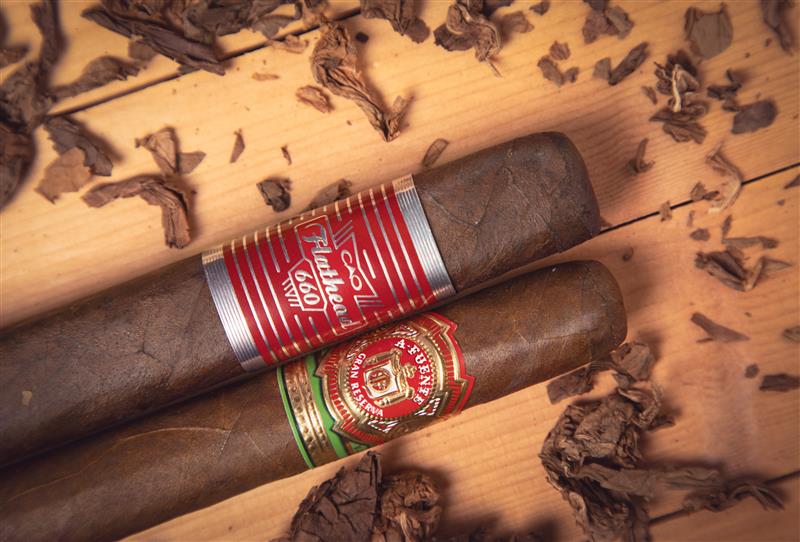
The fundamental difference is exactly what it sounds like: round cigars maintain their cylindrical shape from the factory, while box-pressed cigars are placed in boxes (or under pressure) while still slightly moist, causing them to take on a squared or flattened appearance. Some cigars get a gentle press that’s barely noticeable, while others end up with pronounced flat sides and sharp corners.
Here’s what most people don’t realize: box-pressing isn’t just about looks. When you apply pressure to a freshly rolled cigar, you compress the filler tobacco, which changes its internal structure. The tobacco bunches tighter in some areas and creates air channels in others, fundamentally altering how air flows through the cigar when you draw on it. This isn’t a minor tweak—it’s a structural change that affects everything about the smoking experience.
The wrapper also behaves differently on a box-pressed cigar. Because it’s shaped against flat surfaces, the wrapper sits tighter in some spots. This can affect how evenly the cigar burns and how the wrapper contributes to the overall flavor.
Both, actually. Let’s start with flavor. The compression from box-pressing concentrates the smoke as it travels through the cigar. Some smokers describe box-pressed cigars as intensifying or focusing the flavors when compared to Parejos.
That said, the difference isn’t night and day. If you smoke the same blend in both formats back-to-back, you’ll notice the box-pressed version delivers slightly more intense flavor—particularly in the retrohale—but we’re talking about enhancement, not transformation. The core flavor profile stays the same.
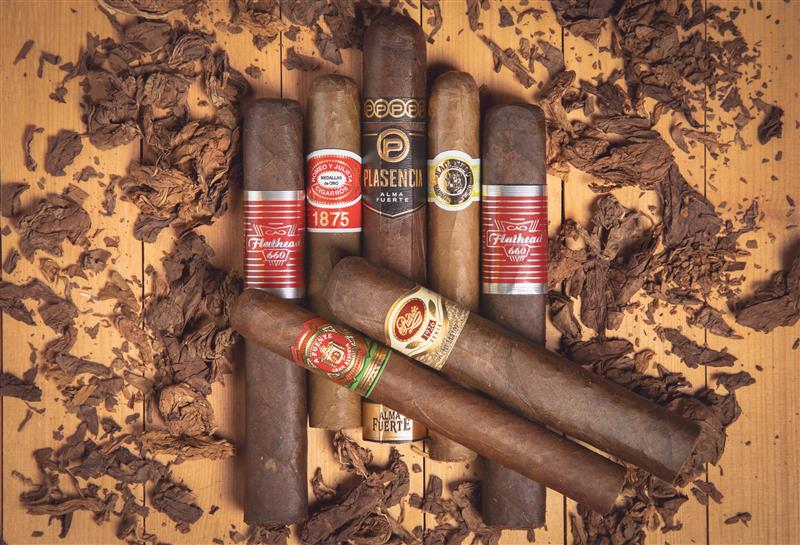
Burn characteristics change more noticeably. Box-pressed cigars often burn more slowly and cooler than their round counterparts because the compressed tobacco creates greater resistance to airflow. This can be a good thing—slower burn means longer smoking time and less risk of overheating the cigar. However, box-pressed cigars can be slightly more prone to uneven burns, especially if the pressing wasn’t uniform or if the cigar wasn’t constructed perfectly. Those sharp corners sometimes want to burn faster than the flat sides.
Round cigars generally burn more predictably because their circular shape promotes even combustion all around. The tobacco is distributed evenly, air flows consistently, and there aren’t corner hotspots to worry about. For many smokers, especially those new to premium cigars, round vitolas offer a more forgiving smoke with fewer burn issues.
The draw on a box-pressed cigar tends to be firmer than a round cigar of the same ring gauge. Remember that compression we talked about? It doesn’t just concentrate flavor—it also creates more resistance when you pull air through the cigar. You’re drawing through tobacco that’s been packed tighter, which means you need slightly more effort to get the same volume of smoke.
Some smokers love this firmer draw. It naturally slows your smoking pace, prevents you from puffing too aggressively (which can make cigars hot and harsh), and delivers concentrated flavors. If you like taking slow, deliberate draws and really savoring each puff, box-pressed cigars reward that smoking style.
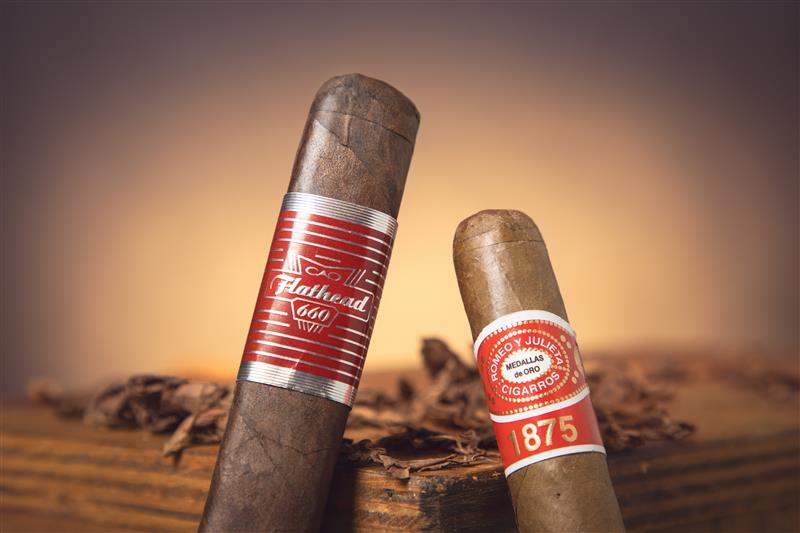
Others find the tighter draw frustrating, especially if they prefer an easy, effortless pull. If a box-pressed cigar is rolled even slightly too tight or the pressing is too tight, you can end up with a draw that feels like sucking through a broken straw. Round cigars, when properly rolled, tend to offer a more consistent, moderate draw that doesn’t require as much work.
You’ll find box-pressing across all types of cigars, but certain brands and blends lean heavily into the format. Padrón is famous for its box-pressed Anniversary Series—both the 1964 and 1926 lines come exclusively in box-pressed formats. My Father cigars favor box-pressing across most of their premium lines. Illusione, Foundation Cigar Company, and many boutique Nicaraguan brands also embrace the format. Additionally, CAO’s Flathead series focuses on box-pressed vitolas to play into their name.
Why? Part of it is tradition. Cuban cigars were often box-pressed simply because tight packing was necessary for shipping and storage, and that practice carried over to many premium non-Cuban brands that wanted to evoke that classic aesthetic. Over time, certain manufacturers discovered that their blends actually performed better when box-pressed—the concentrated draw and slower burn complemented their tobacco selections and blending style.
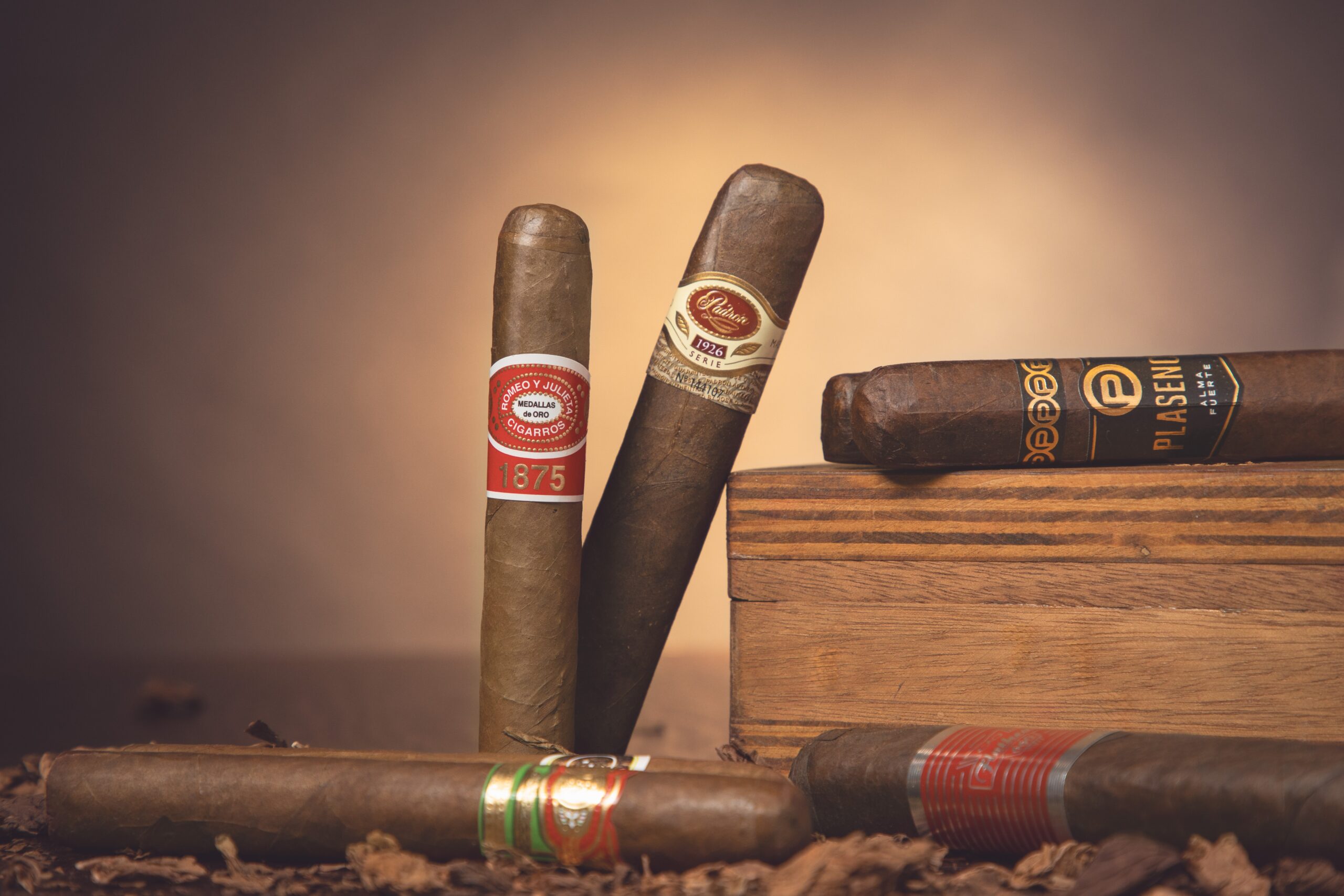
Full-bodied Nicaraguan cigars, in particular, seem to benefit from box-pressing. The compression tames some of the intensity while concentrating the flavors, creating a more balanced and complex experience. Brands that use powerful Ligero-laden blends often find that box-pressing helps manage the strength while enhancing the nuance.
Some cigars are specifically designed for box-pressing. The blender knows the tobacco will be compressed, so they account for that in the selection of tobacco fillers. Other times, the same blend is offered in both box-pressed and round formats. Examples include Camacho Ecuador and BXP, Espinosa Laranja, and more.
At the end of the day, box-pressed versus round comes down to personal preference and what you value in a smoking experience. If you like concentrated flavor, firmer draw, and slower burn times, gravitate toward box-pressed cigars. If you prefer predictable, even burns with an open draw, round cigars are your move. Or better yet, keep both in your humidor and choose based on your mood. There’s no right answer—just different experiences worth exploring.


Why isn’t my Torch Lighter working? If I had a dollar for every torch lighter I threw out think...
The coffee you love, no cup needed! One of the most popular Drew Estate infusions behind their ac...
A Cigar’s Strength Matters More Than You Think Whether you’re just getting into cigar...


