

Deals
Customers
Service
Selection
Your browser does not support JavaScript, or it is disabled. You will not be able to properly use this site until you enable JavaScript
Even those who are just entering the world of cigars can tell you: cigars aren’t gonna light themselves. Everyone from casual enthusiasts to veteran aficionados know they need to keep a trusty cutter and lighter on hand. The question is which style (and price point) is right for you.
It may seem strange that certain lighters are designated as “cigar lighters” while others aren’t. But there are many reasons why people don’t light their premium cigars with a run-of-the-mill Bic lighter. Here’s why investing in a solid lighter is practically essential for anyone getting serious about cigars.
Cigars can take a few seconds to fully light, and cheap soft flame lighters are notorious for getting their flame blown out with the slightest breeze. This is a bad combination when smoking outside (where cigars are often enjoyed). Torch flame lighters solve this problem two-fold. Not only do they light your stogie faster, but the powerful blue flame is wind resistant. You can even get a lighter with multiple jets to light up in no time, even if you’re enjoying a thick 60-ring cigar.
If you’ve ever lit a soft flame lighter, you have seen how the flame dances around. In the world of cigars, this translates to an uneven burn that can lead to a smoke that’s annoying at best and disastrous at worst. A torch flame offers much more precision as you light. Even if the cigar starts out uneven, you’ll be able to torch the exact spot that needs it.
While some soft flame lighters use butane that won’t impart much of a taste, others do not. Specifically, Zippo lighters should be avoided when lighting a cigar. The fuel used in these lighters can leave even the best cigar tasting nasty. It’s pretty simple: the purer the better. Refill your lighter with 99.9% pure butane fuel and you won’t have to worry about your tasty maduro getting ruined.
While many machine-made cigarillos come ready to smoke, premium cigars generally have to be cut in some way before you enjoy them. There are many ways to go about this depending on your personal cigar cutter preferences.
Straight cutters, also referred to as guillotine cutters, are about as simple as they come. Simply insert the head of your cigar (the end that goes in your mouth), and close the twin blades with one quick, firm motion. This will result in a relatively large area for smoke to pass through, making for a cool, easy draw. Be warned, though, the head of your cigar will need to fit for these cutters to work. Make sure your guillotine cutter has a larger opening than the diameter of cigars you usually smoke.
Wedge cutters, also called V-cutters, create a kind of notch in the head of the cigar. This results in a somewhat more concentrated flow of smoke than the straight cut. However, if you find the draw to be too tight, or the smoke too hot, you can adjust accordingly by making a second cut at a different angle. This will result in an X or a cross created by two wedge cuts.
Of all the ways to cut a cigar, punches offer the tightest, most concentrated option. Unfortunately, this can sometimes be a negative aspect of punch cutting. The relatively small opening can result in your cigar getting clogged or “plugged.” If this happens, you may even need to cut the cigar a second time with a straight cutter. That being said, no other cut will give you such a concentrated blast of smoke and flavor.


Don’t Be That Guy… Most cigar smokers already know the basics of proper cigar lounge ...

There is no shortage to the shapes and sizes in which cigars are made. This combination of size a...
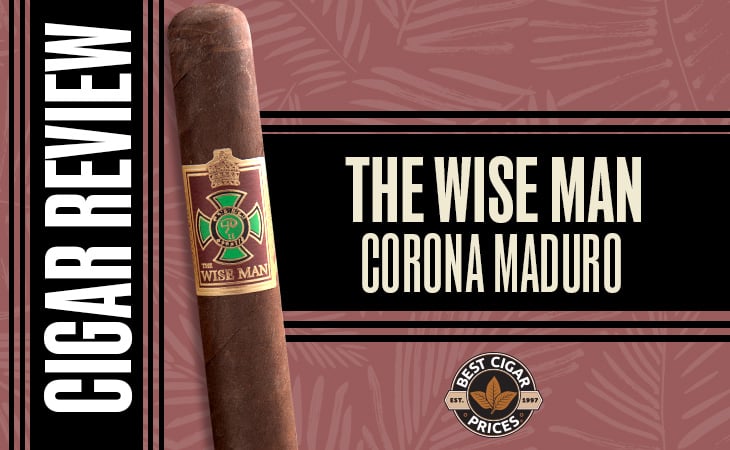
Bold without the bite… Originally known as El Güegüense—pronounced ‘el-way-when-say&#...

If you’ve spent some time browsing our huge selection of humidors, you...

While browsing the thousands upon thousands of cigars available at Best ...

“You get what you pay for” is an adage that often holds true, especi...


