

Service
Deals
Customers
Selection
Your browser does not support JavaScript, or it is disabled. You will not be able to properly use this site until you enable JavaScript
Whether you’re just getting into cigars or looking to branch out from your usual go-tos, one of the most common—and most misunderstood—topics is cigar strength. Walk into any shop, and you’ll hear words like “full-bodied” and “full-strength” tossed around like they’re interchangeable. They’re not. Body relates to flavor. Strength relates to nicotine. Getting clear on what these terms actually mean makes it a lot easier to find cigars you’ll genuinely enjoy and avoid ones that’ll knock you off your feet when you least expect it.
When cigar folk talk strength, they’re specifically talking about nicotine content (or should be, more on that later)—the physiological impact a cigar has on your body. A strong cigar delivers more nicotine per puff. That’s it. Strength isn’t about flavor complexity, bitterness, or harshness. It’s purely about how much of a nicotine hit you get.
A mellow cigar has lower nicotine content. You can smoke it after lunch on an empty stomach and feel just fine. A full-strength cigar smoked the same way might leave you dizzy, even if you’ve been smoking for years. That reaction isn’t a sign of weakness; it’s just nicotine doing what nicotine does.

What determines strength? The answer lives mostly in the filler blend—the tobaccos inside that you can’t see. ‘Higher priming’ leaves grow at the top of the tobacco plant, where they receive the most direct sunlight. That extra sun exposure causes the leaves to produce significantly more sugar, nicotine, and oils. They also burn slower, which is why blenders use them sparingly and always position them at the center of the filler, surrounded by faster-burning tobaccos.
The wrapper plays a smaller role in strength than most people assume, though it does contribute a good portion to the body (flavor experience).
Here’s where a lot of confusion creeps in: strength and body are not the same, even though nearly the entire cigar industry uses them interchangeably. Admittedly, even me. A lot more than I should.
Body (sometimes called “fullness”) describes the intensity and complexity of flavor—how much is happening on your palate. A full-bodied cigar delivers rich, layered flavors. A mellow-bodied cigar is more subtle, softer, creamier, and easier for your palate to process.
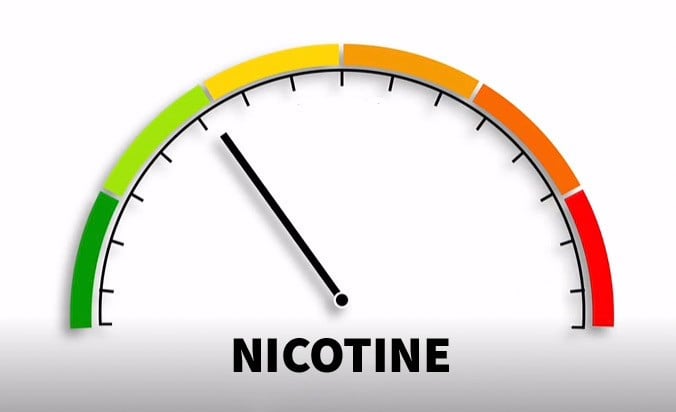
Strength refers to nicotine intensity. Typically, higher-strength cigars are fuller in body, too. But it’s not always the case.
Here’s a great way to tell one from the other:
Body affects your mouth, nose, and throat. Put simply: what you can taste and smell.
Strength affects your body internally. Lightheadedness, nausea, sweat, etc. Those are the faculties that feel the intensity of nicotine, not your taste buds.
Plenty of myths surround the world of cigars. Here are three of the biggest repeat offenders in terms of strength.
Darker wrappers always mean stronger cigars. A dark, oily Maduro wrapper looks intense—and Maduros do tend to add sweetness, richness, and body—but wrapper color alone doesn’t determine strength. Much as it happens with coffee, looks can be deceiving. Some of the smoothest, most approachable cigars wear darker wrappers. What’s on the inside matters much more!
Stronger cigars are better cigars. Not true. Strength is a preference, not a quality marker. What matters is whether the cigar was blended well, crafted with care, and whether it’s a good fit for your palate.
Strong cigars are harsh. Harsh cigars are often mistakenly called strong. Harshness stems from issues like smoking too quickly, over-humidification, or improper fermentation in the factory. A well-made, properly humidified full-strength cigar should smoke smoothly even if it hits hard.
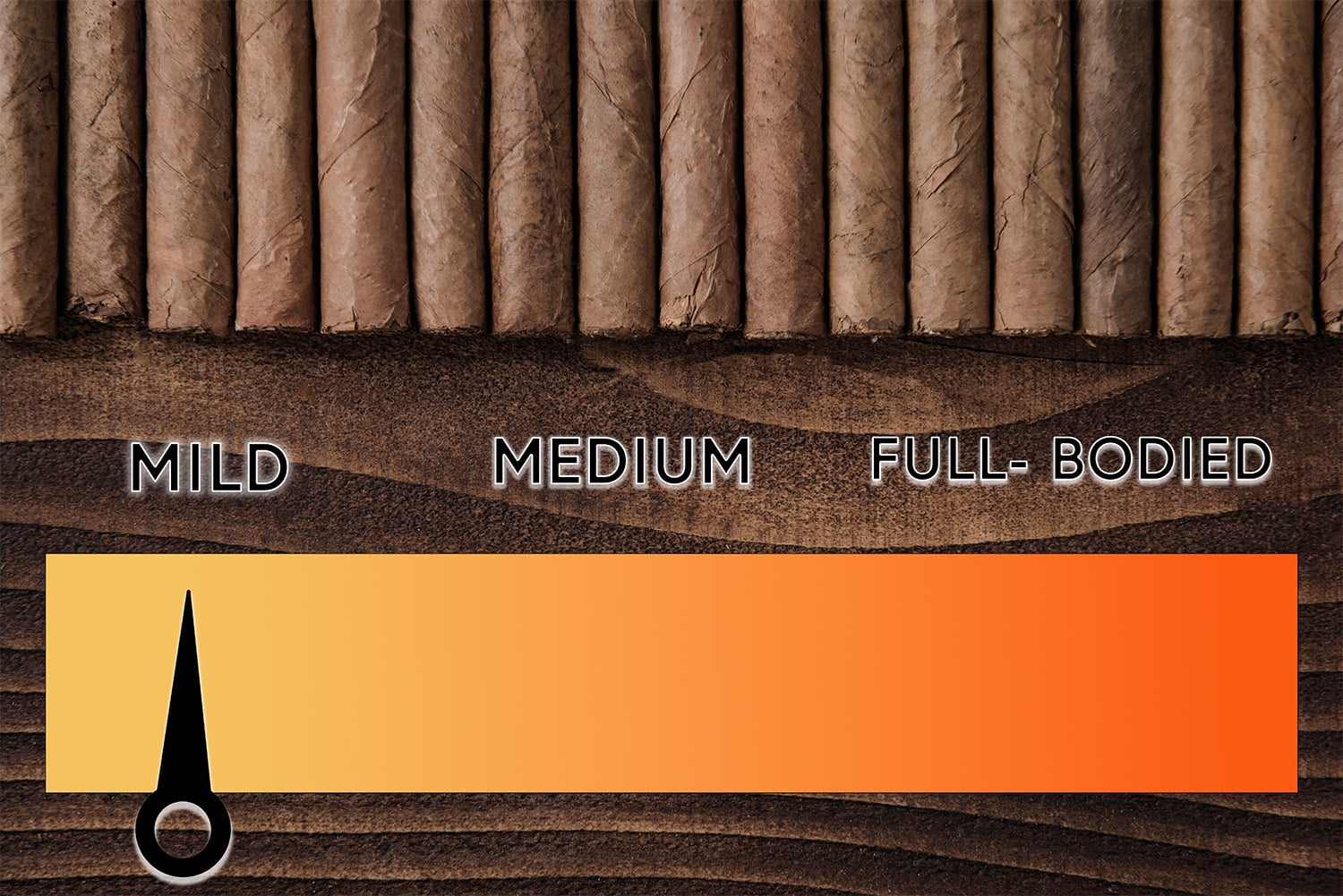
Look for cigars with Connecticut Shade wrappers, which tend to be creamy, smooth, and lower in nicotine. Dominican-made cigars in the mellow-to-medium range are also excellent starting points. Tasting notes to expect: cream, cedar, light nuts, light pepper, and hay.
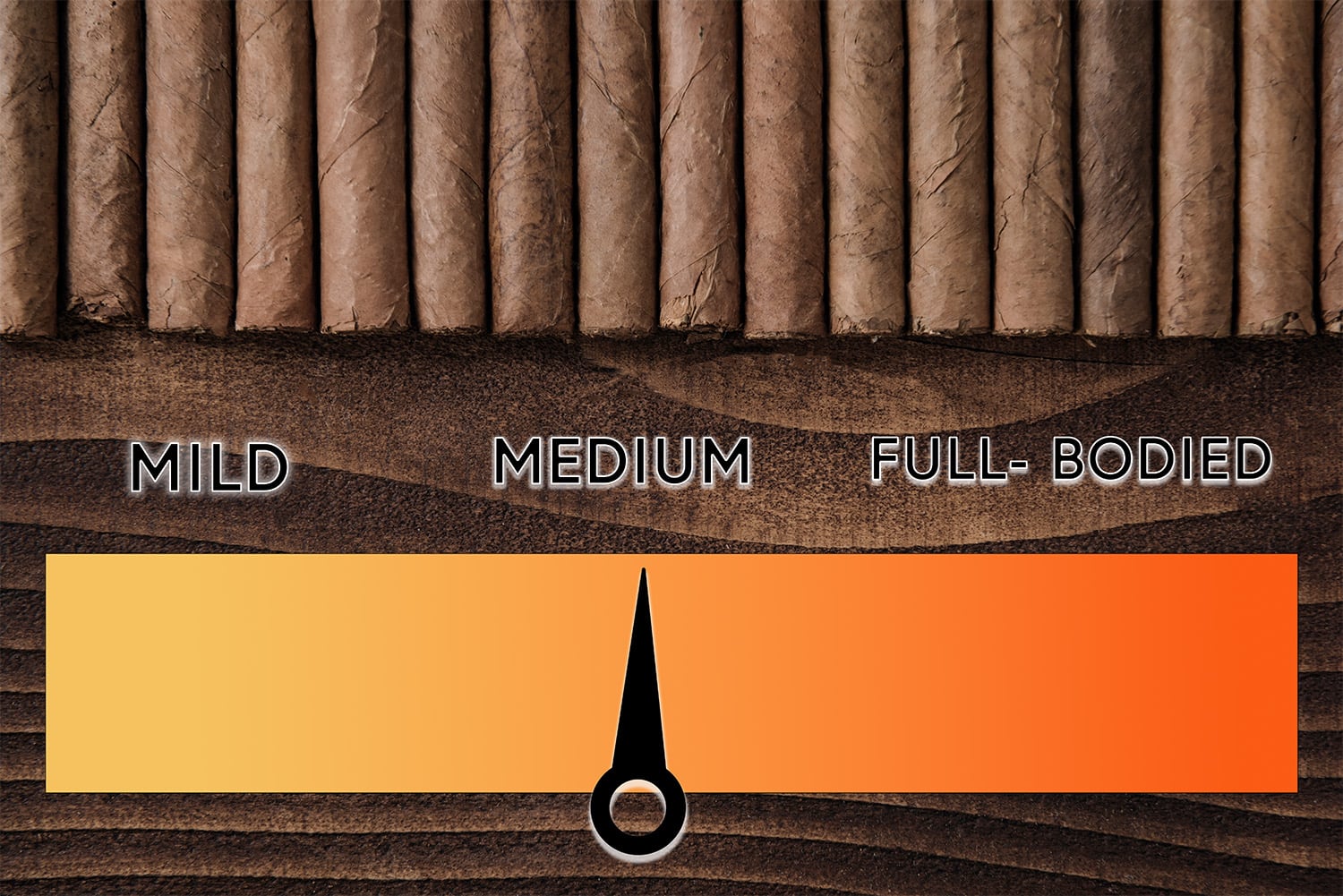
If you have good experiences with mellower sticks, medium-bodied/strength cigars are a natural next step. You’ll start to pick up more complexity without risk of nicotine overload. Wrappers like Cameroon and Sumatra are great choices at this stage. Expect a boost in spice and pepper, but nothing overwhelming.
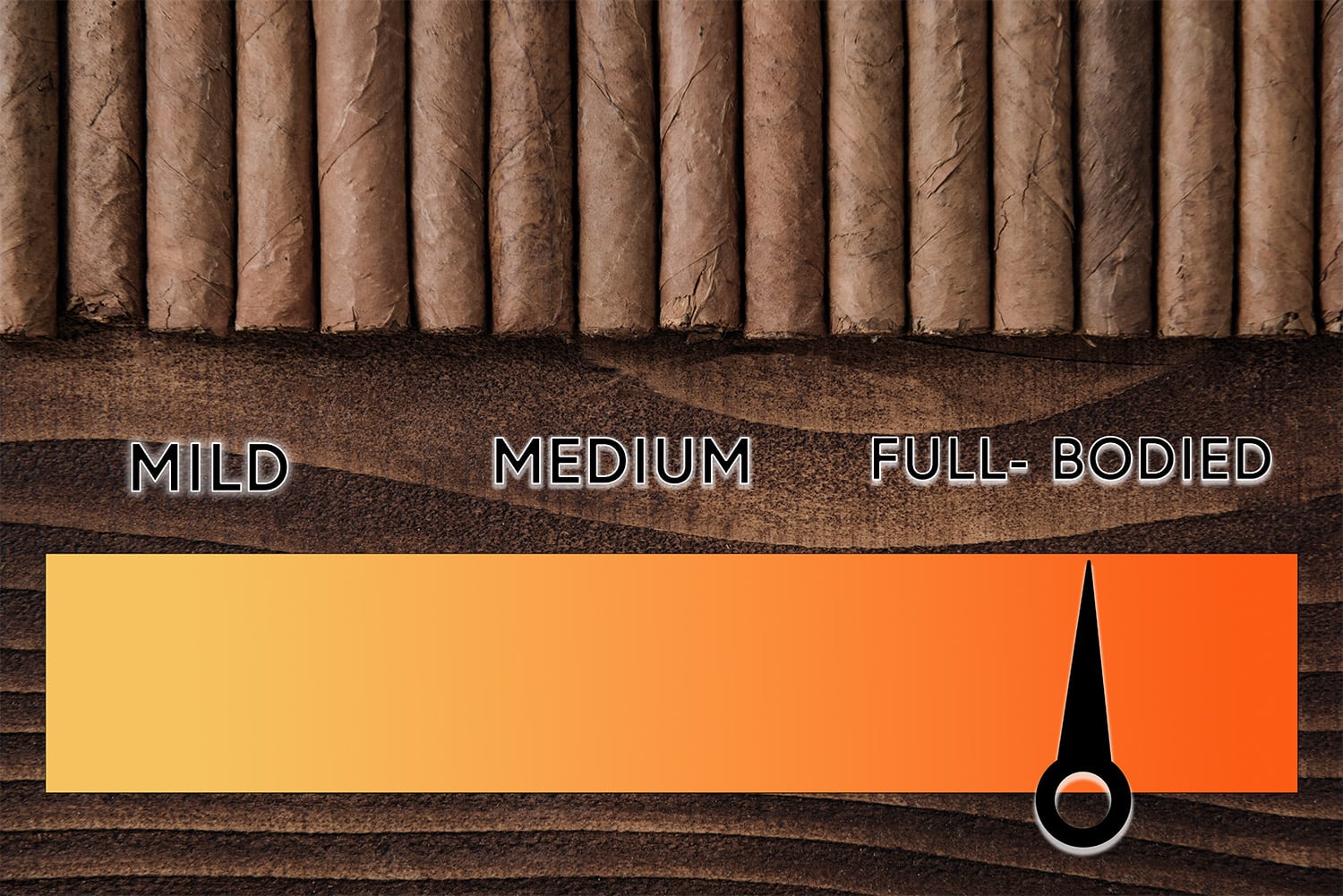
If medium-full feels comfortable and you’re looking for bolder flavors with more intense profiles, stronger cigars are your final frontier. These often feature high priming tobaccos and spicier wrappers like Habano, noted for their intensity, and a bold nicotine presence that’s noticeable from the first few puffs. Smoke these after a meal, take your time, and don’t rush. The best full-body cigars reward patience via layers of nuanced flavor.
Just remember…these are guidelines, not strict rules.
It’s worth noting, there’s no shame in starting—or sticking—with tamer cigars, and there’s no obligation to chase brawnier blends. But if you’re so inclined, here are some cheats to help make that transition smooth and enjoyable.

This is the single most practical piece of advice for anyone moving to stronger cigars. A full stomach and proper hydration significantly reduce the chances of feeling sick. Never smoke a full-strength cigar on an empty stomach until you’ve confirmed how your body handles it.
Puffing too frequently on a stronger cigar concentrates nicotine delivery and heats the smoke, making it harsher and more intense. Take a puff every 45–60 seconds and let the cigar breathe. This also prevents the cigar from running hot, which can affect flavor quality.
If you’re currently comfortable with mellow cigars, don’t jump straight to a full-strength Nicaraguan puro. Step into the medium range first, spend some time there, and then move toward medium-full. Skipping steps usually just results in a bad experience.
Lightheadedness, nausea, and sweating are your body’s way of saying “that’s enough.” Put the cigar down, drink water, sit down, and eat something (a sugar packet will help tremendously). There’s no medal for pushing through. Next time, you’ll have a better sense of your threshold.
Whether you’re happiest with a smooth, creamy Connecticut Shade or you’re slowly working your way toward bolder, fuller blends, the best cigar is simply the one you enjoy smoking. Understanding the difference between strength and body makes every purchase a smarter one—and every smoke a better one. Browse our full selection of mellow, medium, and full-strength cigars and find your next favorite today.

A Cigar’s Strength Matters More Than You Think Whether you’re just getting into cigar...

Coffee-infused cigars are the natural first step for any smoker who loves a fresh brew. They brin...
Think about wrapper, binder, and filler tobaccos like a car. The filler is the engine, the binder...


